Caveolin 1 Mouse, Unlabeled, Clone: 2297, Bd, Mouse Monoclonal Antibody, Each
|
|
Details
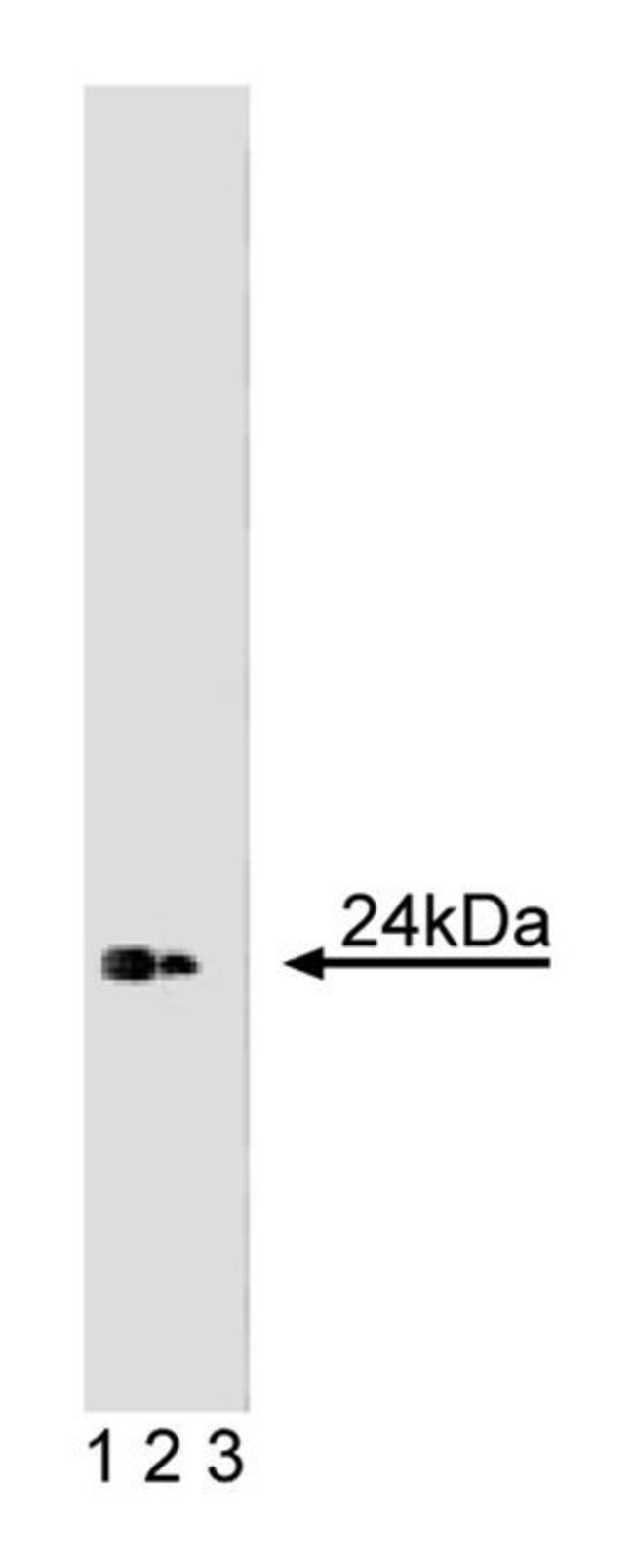
Identified as a tyrosine phosphorylated protein in rous sarcoma virus-transformed chick embryo fibroblasts (cef), caveolin is now known to be ubiquitously expressed. Caveolin (also known as vip21) localizes to non-clathrin membrane invaginations (caveolae) on the inner surface of the plasma membrane. This transmembrane protein plays a structural role in these specializations. Caveolin is also present at the trans-golgi network (tgn) and similar quantities are found in apically and basolaterally destined transport vesicles. Caveolin is part of a complex containing glycosylphosphatidylinositol (gpi)-linked molecules and cytoplasmic signaling proteins. Caveolin is a transmembrane adaptor molecule that can simultaneously recognize gpi-linked proteins and interact with downstream cytoplasmic signaling molecules, such as c-yes, annexin ii, and hetero-trimeric g proteins. Caveolin-1 can generate two forms, α and β, due to alternate splicing of the mrna. The α isoform has been reported to be observed at 24kda and the β isoform at 21kda. Caveolin-1 forms large lipid-binding homo-oligomers which are believed to play a role in caveolae formation. It may also function as a scaffolding protein which concentrates andorganizes signaling molecules, a role supported by the fact that caveolin-1 interacts directly with inactive ras and g-protein α subunits.Flow cytometry, immunofluorescence, immunohistochemistry, immunoprecipitation, western blotting
Additional Information
| SKU | 10134953 |
|---|---|
| UOM | Each |
| UNSPSC | 12352203 |
| Manufacturer Part Number | 610407 |
